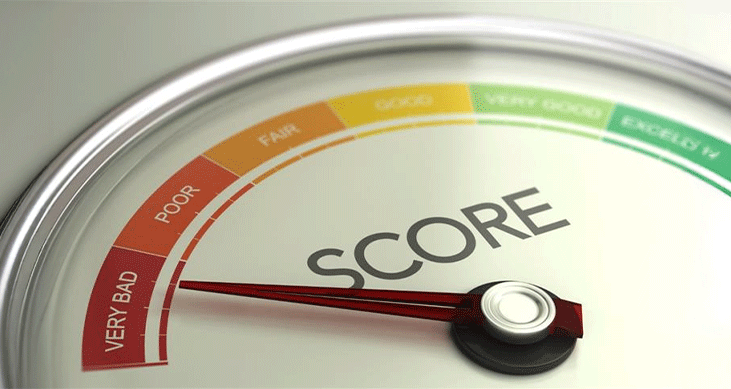
How to Get a Credit Card With a Low Credit Score
Share on/via
A low Credit score can make it challenging to get approved for a credit card or loan. Yet, a credit card can be a lifesaver when you’re faced with urgent expenses be it last-minute travel bookings, a medical emergency, or an amazing Sale on a high-end purchase.
But what if your credit history isn’t in great shape say, you have no credit score, or have a poor or limited credit history? Can you still get a credit card?
That’s where secured credit cards come into play. Ideal for individuals with no Credit score/ poor or limited credit history, these cards not only offer access to credit but also help rebuild your score over time.
In this blog, we’ll explore:
- How your Credit score affects credit card eligibility
- What secured credit cards are and how they work
- How you can apply for one - even with a no or low score
What Is a Credit Score?
The Credit score, issued by Credit Information companies (TransUnion CIBIL, Equifax, CRIF, Experian), is a three-digit number ranging from 300 to 900 that reflects your creditworthiness and financial behaviour. It’s calculated based on factors such as your loan repayment history, credit utilization, credit mix, the length of your credit history etc.

Here’s how credit score ranges typically impact credit card eligibility:
- 750–900 (Good): High chances of approval for most credit card applications
- 650–749 (Fair): Approval possible, but subject to the lender’s criteria
- Below 650 (Low): Difficult to qualify for standard unsecured credit cards
Low scores are often the result of late payments, loan defaults, high credit usage, or a lack of credit history.
These indicators suggest higher risk to lenders, especially when evaluating applications for unsecured credit cards.
Can You Get a Credit Card with a Low Credit Score
Yes, you can. While a low Credit score may limit your options for regular unsecured credit cards, many banks now offer secured credit cards as a practical alternative. These cards are issued against a fixed deposit (FD) and do not rely on your credit score for approval.
Secured credit cards work just like regular credit cards—you can use them for shopping, bill payments, EMIs, and more. Plus, they offer a valuable opportunity to rebuild your credit history through responsible usage.

What is a Secured Credit Card?
A secured credit card is backed by a fixed deposit held with the issuing bank. Your FD acts as collateral, and the credit limit is typically set between 70% to 90% of the deposit amount, depending on the bank’s policy.

Key Features:
- Available even with a low or no credit score
- Backed by a fixed deposit (usually ₹2,000 or more)
- Usable for both online and offline transactions
- Helps improve your credit score with disciplined usage
How Secured Credit Cards Help Rebuild Your Credit Score
Using a secured credit card responsibly can positively impact your credit score. Every transaction and timely payment is reported to credit bureaus, helping build a consistent and reliable credit history over time.
What Works in Your Favour:
- On-time payments: Avoid late fees and negative marks on your credit report
- Low credit utilization: Keep usage below 30% of your credit limit
- Regular activity: Frequent use builds a track record of responsible credit behaviour
- Long-term usage: Keeping the card active for 12+ months strengthens your credit profile
With disciplined use, you may begin to see improvements in your score within 3–6 months, and more significant progress within a year.
How to Apply for a Secured Credit Card with a Low Credit Score
Step 1: Identify Banks Offering Secured Credit Cards
Many leading banks provide secured credit cards linked to fixed deposits.
Step 2: Open a Fixed Deposit
Choose an FD amount—typically between ₹2,000 and ₹500,000—that suits your budget.
Step 3: Apply Online or Visit a Branch
Submit your KYC documents and FD details. Most banks offer easy online application options.
Step 4: Receive and Activate Your Card
Your card will be issued with a credit limit based on your FD value.
Step 5: Use the Card Responsibly
Make small purchases, pay your dues in full before the due date, and monitor your statements regularly to build a strong credit profile.
Tips to Maximise Benefits
- Set up auto-payments to avoid missed due dates
- Keep usage below 30% of your credit limit
- Avoid cash withdrawals, which often incur high fees
- Review statements regularly for accuracy
- Track your credit score periodically to monitor progress
Going Forward
By linking your card to a fixed deposit and using it responsibly, you gain access to credit while actively improving your financial reputation. After 6–12 months of consistent usage, check your Credit score. If it rises to 700 or above, you may qualify for:
• Higher credit limits
• Access to Unsecured credit cards
• Loans with better interest rates and terms
FAQs
Q1: Can I get a credit card if my Credit score is below 600?
Yes. You can opt for a secured credit card, which is issued against a fixed deposit. These cards do not require a high credit score for approval.
Q2: Will using a secured credit card improve my credit score?
Yes, as long as you consistently pay your dues on time and maintain low credit utilization. Responsible usage helps build a positive credit history.
Q3: Is the credit limit equal to my fixed deposit amount?
Not exactly. The credit limit is typically 70% to 90% of your FD value. For example, a ₹20,000 FD may offer a credit limit between ₹14,000 and ₹18,000, depending on the bank.
Q4: Can I apply for a secured credit card online?
Yes. Most banks allow you to apply online through their official websites, making the process quick and convenient.
Q5: What happens to my FD if I default on payments?
In case of default, the bank may recover the outstanding dues from your fixed deposit. However, defaulting defeats the purpose of rebuilding your credit score so it’s crucial to pay on time.
Q6. How is a secured credit card different from a regular/unsecured credit card?
A secured credit card requires one to make a cash deposit that acts as collateral and typically defines your credit limit. The regular credit card, also known as unsecured credit card, do not require one to make any deposit and are issued based on the customer’s creditworthiness or credit score.
Disclaimer: This blog is intended to provide general information on various financial topics. It does not constitute professional advice. For guidance tailored to your specific needs, goals, and circumstances, please consult a qualified financial advisor before making any financial decisions.
Share on/via

The Art of Conversation with Neeraj Sinha & Ashish Kashyap
Neeraj Sinha: Tell us about your startup journey… Ashish Kashyap: I’m very lucky to have faced all versions of the digital explosion in this country.
Read More »